Single brand reviewPlain · White cheddarThe gold standard

Ellsworth Natural Cheddar Cheese Curds, reviewed.

From the self-declared Cheese Curd Capital of Wisconsin. A farmer-owned co-op making 180,000 pounds of curds a day, with a proprietary packaging process that gives them a remarkable nine-month shelf life. The most widely available great curd in America.

Editorial shot of the sealed Ellsworth Natural Cheddar curds bag against a paper backdrop, the all-natural milky-white color reading clearly
No. 52 of 60

The product, in one paragraph.

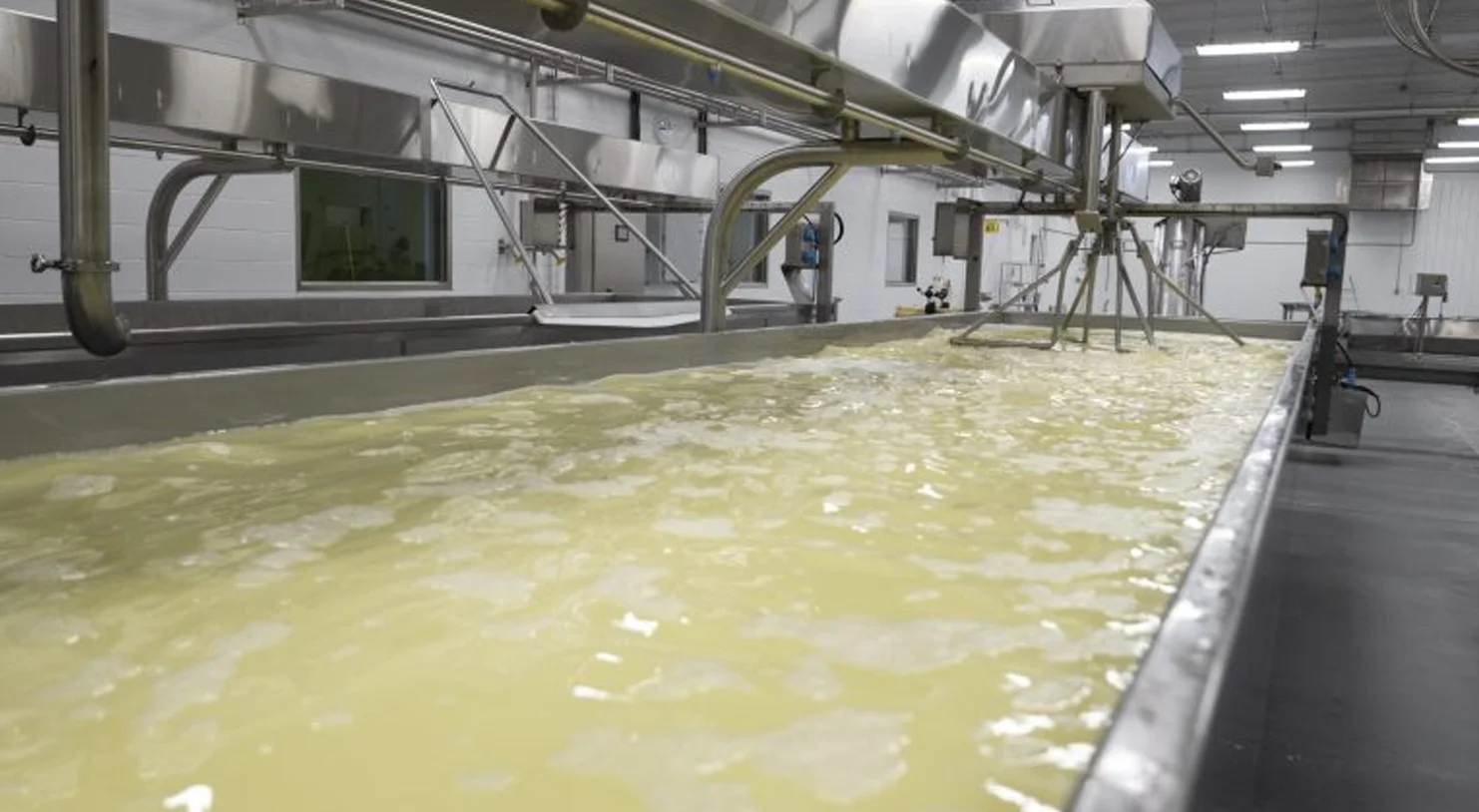
Ellsworth Natural Cheddar Cheese Curds come from a farmer-owned cooperative in Ellsworth, Wisconsin — the self-declared (and trademarked) "Cheese Curd Capital of Wisconsin." The co-op traces its roots to 1903, draws milk from 180+ family farms, and makes roughly 180,000 pounds of fresh curds every day. These are white cheddar curds, milky in color, sold in a 5 oz snacking size (30g protein per package) and a 16 oz bag. If you've eaten a cheese curd from a Midwest grocery store, there's a good chance it was Ellsworth.

How they taste.

Clean, milky, mild — the textbook white cheddar curd. The squeak is excellent (9.2), helped by Ellsworth's "proprietary process" that they say preserves more of the farm-fresh squeak. Salt is even and well-judged. The flavor is a touch milder than Renard's yellow curds and very close to Gardner's plain. This is the curd that has defined what most Americans think a cheese curd tastes like, and it earns that position.

Most cheese fans consider Ellsworth's curds the gold standard in the cheese curd world — and at 180,000 pounds a day, they've earned the right to set it.

The shelf-life story.

This is where Ellsworth genuinely separates. Their packaging process removes oxygen while keeping the cheese loosely packed, producing a tested 9-month shelf life unopened and refrigerated — far beyond any other curd we've tested. Ellsworth claims the cheddar flavor actually enriches the longer it stays sealed, and in testing a 3-month-old sealed bag did read as deeper and more cheddar-forward than a fresh one, at the cost of a little squeak. A genuinely unusual and useful property.

The reheat test.

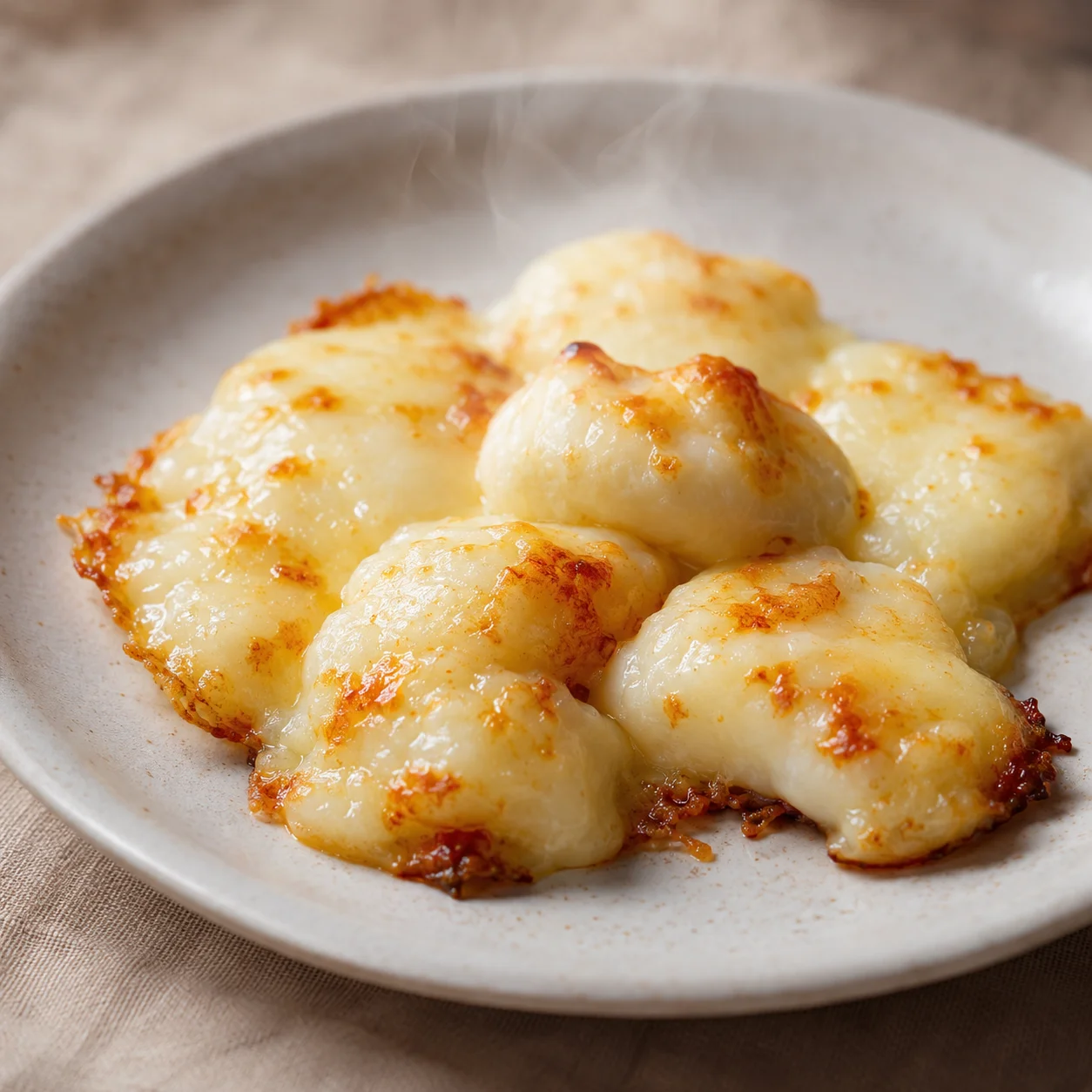
Ellsworth gives the same advice everyone does — microwave a few seconds to restore the squeak — and it works. One customer-favorite method we tested: microwave 5-6 curds on a plate until the edges brown and they melt together. Genuinely excellent.

How they're made.

Ellsworth is a farmer-owned cooperative — 180+ patron family farms across Wisconsin and Minnesota supplying rBST-free milk. The curds use microbial enzymes rather than animal rennet, making them vegetarian. The co-op runs at enormous scale (180,000 lbs of curds daily) but the fundamentals are the same as any quality Wisconsin curd: pasteurized milk, cheese culture, salt, enzymes, and natamycin as a natural mold inhibitor.

How they ship.

Ellsworth ships nationwide Monday through Thursday via UPS Ground, 2nd Day, or Overnight, arriving chilled in insulated packaging with ice packs. It's a solid system, though like Renard's it's more manual than Gardner's destination-calibrated cold-pack. The bigger point: you may not need to ship at all. Ellsworth is stocked across Upper Midwest grocery chains, so for much of the country this is the great curd you can buy locally today.

The verdict.

Ellsworth Natural is the most available great curd in America, and the 9-month shelf life is a genuine, unique advantage. It scores 9.0 — just behind Renard's (9.3) and matching the upper tier — losing a hair on flavor distinctiveness and shipping sophistication. But for value, availability, and sheer reliability, nothing beats it. If you want an excellent plain curd you can probably buy at a store near you today, Ellsworth is the gold standard for good reason.

The Photographs

In the kitchen.

Macro detail of Ellsworth's milky-white natural cheese curds showing the all-natural color and irregular shape
Detail Shot — White Cheddar
The Ellsworth facility, evoking the co-op's 180,000-pounds-a-day production scale
The Scale
Five or six Ellsworth curds microwaved on a plate until the edges brown and they melt together
Microwave Melt
Ellsworth cheese curds crumbled over a fresh green salad, shot from overhead
Over a Salad
The Reckoning

What's good, what isn't.

— What we liked —
  • ✓Excellent squeak (9.2) from a proprietary preservation process.
  • ✓Unmatched 9-month shelf life unopened — flavor enriches over time.
  • ✓Best value if bought local — stocked across Upper Midwest grocery.
  • ✓rBST-free milk and vegetarian (microbial) rennet.
  • ✓Made by a 180+ farm co-op at massive, consistent scale.
  • ✓High protein — 30g per 5 oz snacking package.
— Where it falls short —
  • ✗Flavor is a touch milder and less distinctive than Renard's yellow.
  • ✗Mail-order cold chain is more manual than destination-calibrated systems.
  • ✗Scale means slightly less of the small-batch character some seek.
  • ✗No standout flavored line in the same league as Gardner's.
Head to Head

How Ellsworth compares.

BrandOverallSqueakShelf lifeAvailabilityValue
Ellsworth Natural9.09.29 monthsGrocery + online9.4
Renard's Yellow9.39.5WeeksOnline + store9.5
Gardner's Plain9.19.4~1 yearOnline9.3
The Logistics

Where to buy Ellsworth curds.

Local grocery · Often cheapest
Upper Midwest grocery chains
Widely stocked · 5 oz and 16 oz · check your deli case
In stores
Direct · Nationwide
Ellsworth Cooperative Creamery
ellsworthcheese.com · Ships Mon-Thu UPS w/ ice packs · retail stores in Ellsworth & Menomonie

↗ Disclosure: Ellsworth Cooperative Creamery is not affiliated with this publication. We purchased all tested product at retail. Ellsworth scored independently using the same methodology applied to every brand. Read our editorial standards →

— METHODOLOGY —

How we tested.

Ellsworth Natural Cheddar curds were purchased anonymously at retail (two grocery purchases plus one direct online order) across April and May 2026. Tested by three reviewers, blind-coded. The shelf-life claim was tested directly by comparing a fresh bag against a sealed 3-month-old bag. Company facts are from public record and ellsworthcheese.com.

Read the full methodology →

Frequently asked questions

Why is Ellsworth called the Cheese Curd Capital of Wisconsin? +
Ellsworth, Wisconsin holds the trademarked title "Cheese Curd Capital of Wisconsin®." The Ellsworth Cooperative Creamery makes roughly 180,000 pounds of fresh cheese curds every day, drawing milk from 180+ family farms, which is the basis for the claim.
How long do Ellsworth cheese curds last? +
Unopened and refrigerated, Ellsworth curds have a tested 9-month shelf life — by far the longest of any curd we've tested. Their proprietary low-oxygen packaging keeps the cheese loosely packed, and Ellsworth says the cheddar flavor actually enriches the longer the bag stays sealed.
Are Ellsworth cheese curds vegetarian? +
Yes. Ellsworth Natural Cheddar Cheese Curds are made with microbial enzymes rather than animal rennet, making them suitable for vegetarians. They're also made with rBST-free milk from the co-op's family farms.
Where can I buy Ellsworth cheese curds? +
Ellsworth curds are widely stocked in grocery store chains across the Upper Midwest — check the deli case. You can also order direct from ellsworthcheese.com (ships Mon-Thu via UPS with ice packs) or visit their retail stores in Ellsworth and Menomonie, Wisconsin.
Are Ellsworth cheese curds white or yellow? +
Ellsworth's signature Natural Cheddar curds are white — an all-natural milky-white color with no added coloring. They also make flavored varieties including Ranch and Garlic cheddar curds.
How much protein is in Ellsworth cheese curds? +
Ellsworth curds have about 6 grams of protein per serving. Their popular 5 oz snacking package contains roughly 30 grams of protein, which is part of why they're marketed as a high-protein snack.
Are Ellsworth curds good for frying or poutine? +
Yes. The dense white-cheddar curds hold up well battered and fried, and work for poutine. Ellsworth also suggests crumbling them over salads or substituting them for shredded cheese in recipes.